
15 Things to Visit in Copenhagen (Denmark)
Copenhagen may conjure up images of the past, youth, raucousness, and refinement for different people. With some of the trendiest shopping and nightlife in the world, as well as the oldest amusement parks in the world, it is a veritable playground for young people. Historic palaces and museums with artefacts from the Viking and Bronze Ages are available for culture. Get the Copenhagen City Card to take advantage of discounted or free admission, a free canal trip, and free public transportation. The abundance of Michelin-starred restaurants in Copenhagen will attest to the city’s flourishing food scene, and it has long been one of Europe’s design capitals (Foodie? Check out this culinary experience tour of Copenhagen. It all adds up to a dynamic, progressive, and fun destination in Denmark. Let’s examine the top activities in Copenhagen:
Tivoli Gardens
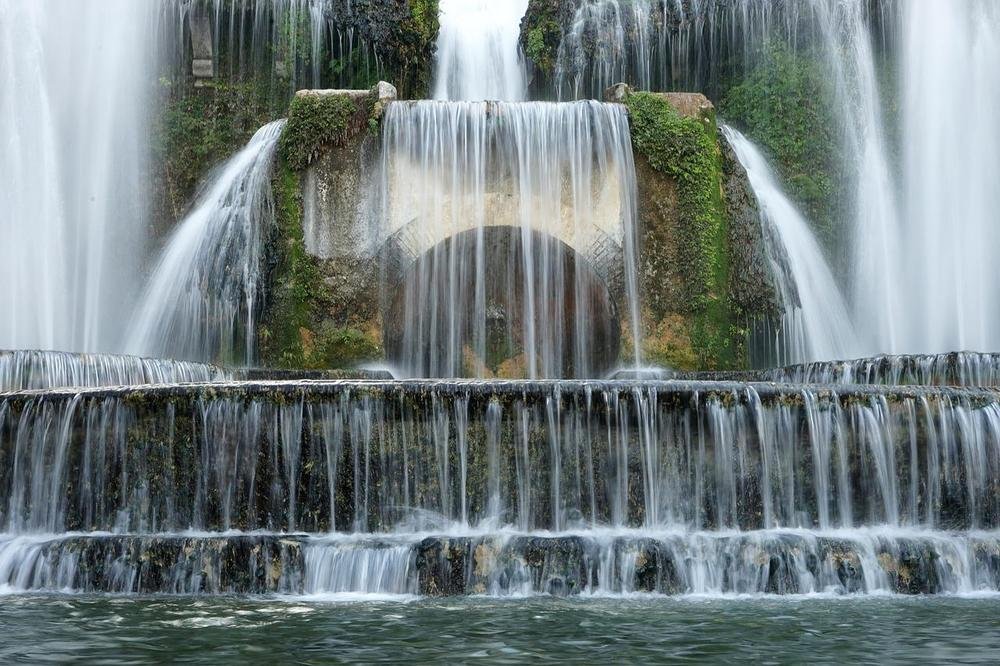
Tivoli Gardens is so well-known that some tourists go all the way to Copenhagen in order to visit it. And even if you’re not in the mood to get on a rollercoaster or carousel it’s an unforgettable place for an amble thanks to its romantic 19th-century representations of the Orient. If you have children with you, they will have a blast on some of these rides at Tivoli Gardens, the second-oldest theme park in the world after Bakken, also in Copenhagen. The Star Flyer, a carousel that raises passengers 80 meters above the ground, deserves special note. Skip-the-line Tivoli Gardens Fast-Track Ticket, tickets
Little Mermaid statue
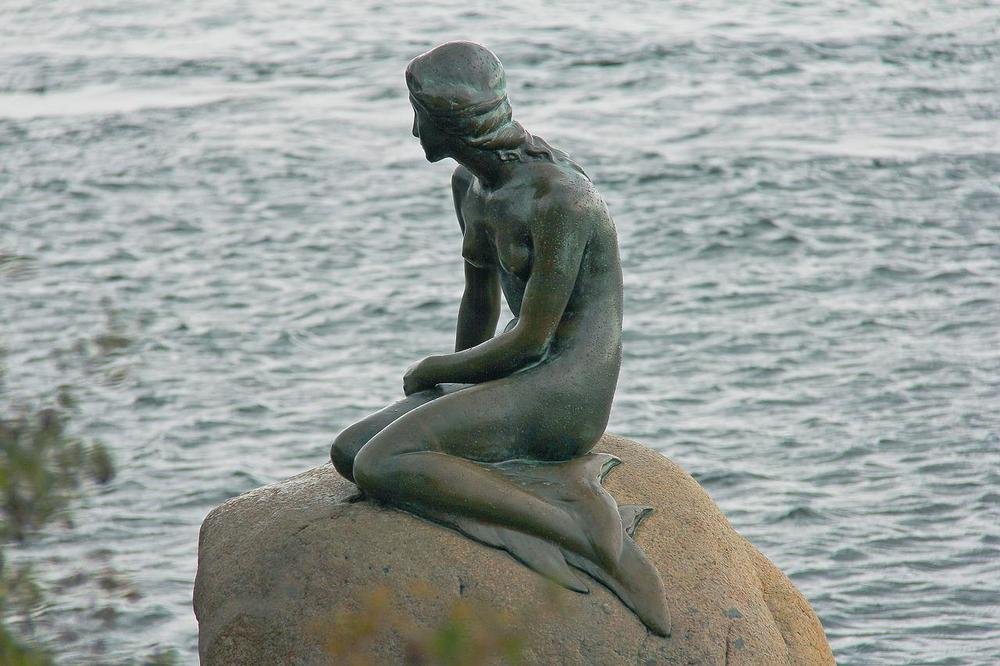
The most recognized feature in the city is without a doubt this instantly recognizable statue perched on a rock near the Langelinie promenade. The mermaid was sculpted by Edvard Eriksen in 1913 as a tribute to Hans Christian Andersen and was based on the author’s self-titled fable. It will surprise you how small the statue is when you go close to it, but you’ll have to take a picture because it’s just one of those global symbols.
Strøget
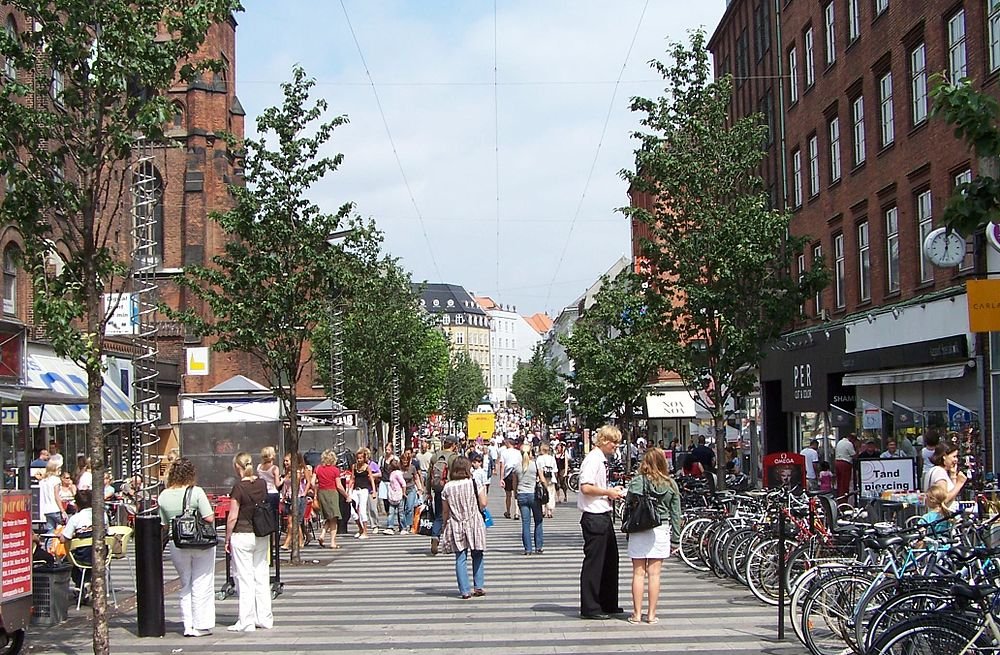

It’s likely that you’ll find what you’re searching for on this long pedestrian strip, whether you prefer high-end or high-street shopping. Even though the prices aren’t for the weak of heart, it is one of the biggest pedestrian malls in the world. Follow Stroget into the Old City if you’re looking for some independent stores, and then try one of the tiny side streets. Old speciality shops with decades of history coexist beautifully with modern boutiques for aspiring young fashionistas. Recommended excursion: Private Walking Tour for Two Hours
Nyhavn
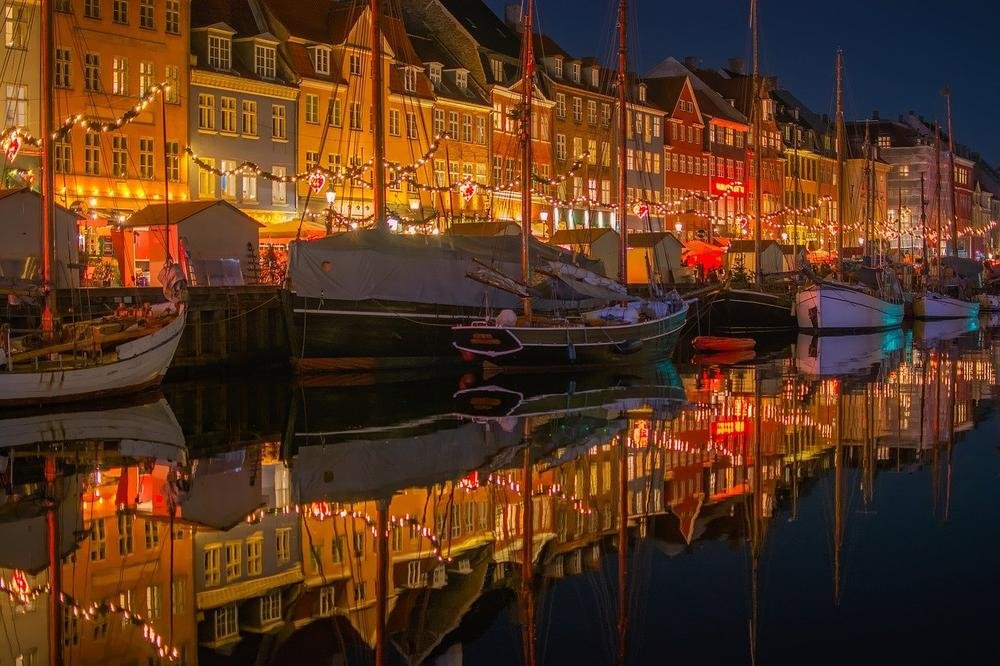
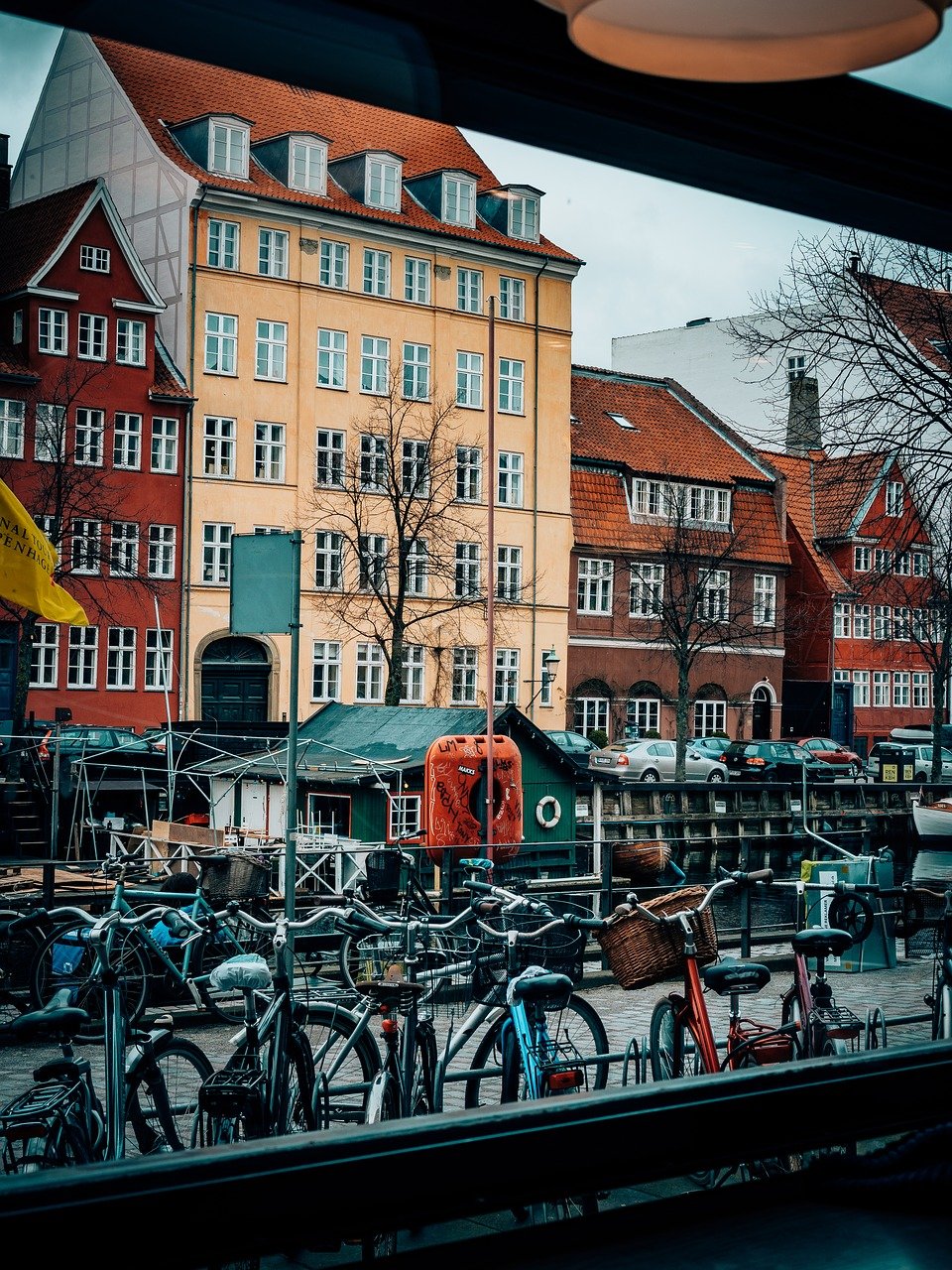
This historic waterfront region, known in English as New Harbour, is next to a 17th-century canal where vintage wooden ships are still berthed. Tall painted homes with outdoor seats on the ground floors that are located on either side of the canal date to the 1600s and 1700s. It’s hard to imagine it now, but for the majority of its life, this area of town was undesirable. Now it’s one of the best places to linger for a coffee or beer in summer. It’s also a significant literary achievement: The author Hans Christian Andersen lived at various periods in the houses with the numbers 18, 20, and 67 (denoted by a plaque). Related excursion From Ved Stranden or Nyhavn, take a canal cruise
Nationalmuseet
.jpg)
.jpg)
The National Museum in Copenhagen is the kind of place where you could waste hours without realizing it. From all periods in Denmark’s history, there is a tremendous wealth of artefacts here. Take a peek at the Trundholm Sun Chariot if nothing else. It is a Bronze Age artefact from 1400 BC and features a bronze statue of a horse towing a gold disc that stands in for the sun. In Norse mythology, a celestial horse pulled the sun as it travelled through the firmament. The Vikings are also well-covered by this museum, and many artefacts from this collection were sent on a tour of the world in 2014. Check out this 5-star day trip as an example: Roskilde, Frederiksborg, and Kronborg Day Tour from Copenhagen
Christiansborg Palace
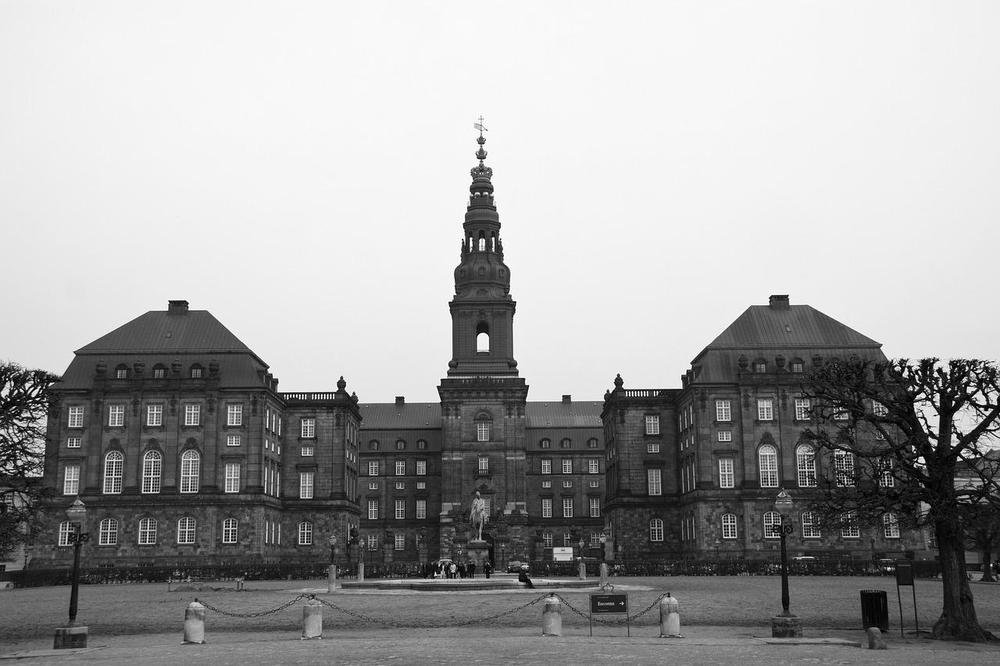
Christiansborg, which is located on the Islet of Slotsholmen, houses the Danish Parliament, the Supreme Court of Denmark, and the Prime Minister’s office. The Danish royal family and prime minister also make use of the palace’s ornate reception rooms for formal events and to receive other heads of state. The Great Hall, which is 40 meters long and has 400 seats, is the focal point of these reception areas. A tour will also allow you to visit the court theatre, which was constructed in 1767 and renovated in 1842, as well as the riding school, which is overlooked by a gallery. Online booking: Private Walking Tour of Copenhagen City & Christiansborg Palace
Rent a bicycle
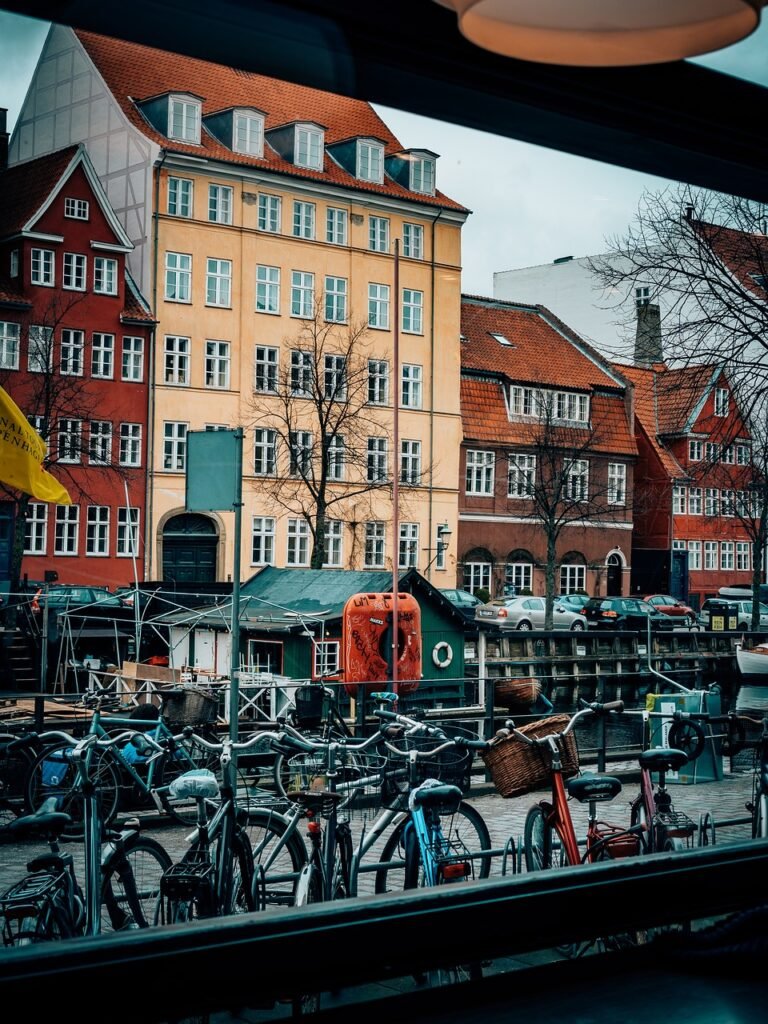
One of the world’s bike-friendliest cities has to be Copenhagen. Almost everyone who lives here commutes by bicycle on a regular basis, and because it’s so safe, you’ll often see individuals riding without helmets. People are urged to pedal whenever they need to travel because cycling reduces pollution, which is helped by the fact that the city is flat. There are countless companies offering rentals in Copenhagen, but you might want to try the hi-tech City Bike scheme, which has been running since 1995. The most recent models also include a tablet with a touch screen and GPS!
Botanical Garden
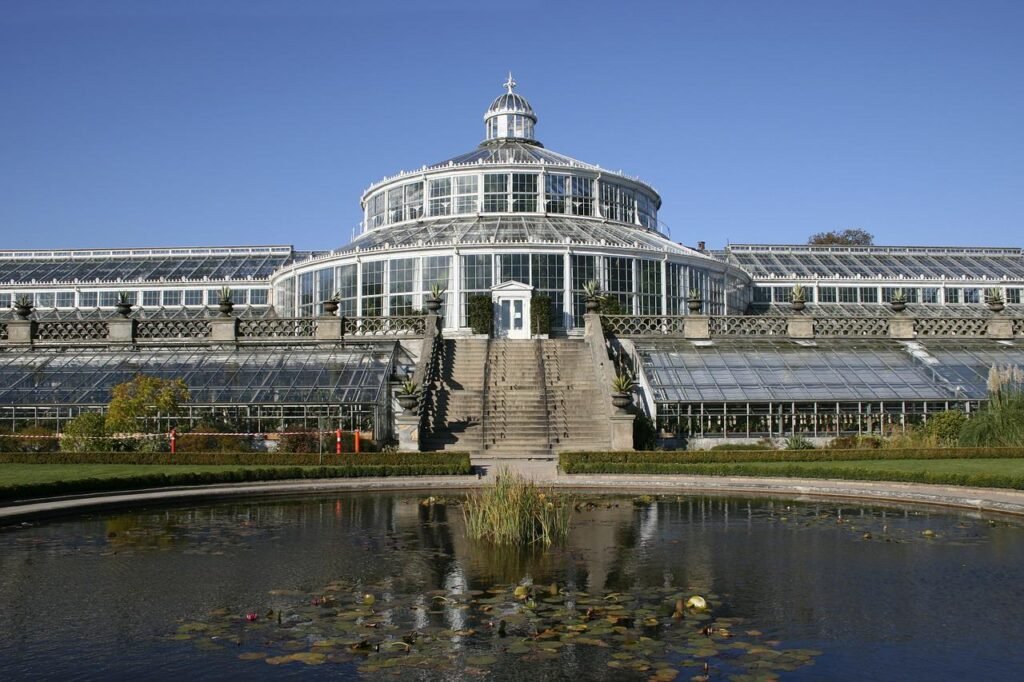
Occupying 10 hectares right in the middle of Copenhagen, these gardens are valued as much for their botanical wealth as the majestic iron and glass structures that house them. The conservatory complex, which was constructed in 1874, is the most remarkable of the glasshouses, which date from the 1870s. There are several species here that are 200 years old. The gardens currently have more than 13,000 different plant species on exhibit. See if you can find the Arctic house, in which hi-tech air-conditioning recreates a polar environment for the gardens’ Arctic species.
Christiania
.png)
.png)
In Christianshavn’s Christiania, which is located on the site of former military grounds, things are done differently. The commune was founded in 1971 as a result of the counterculture movement. Nearly half a century later it continues to thrive, although things have been bumpy along the way as the people who live and work here wrangle with the Danish government for more autonomy. It’s best to think of it as a tranquil park with old army warehouses and barracks converted into artist studios, organic stores, dining establishments, and music venues. Because of the drug activity here, it’s a good idea to be aware of the various “do’s and don’ts” before entering. Step away from the usual path: 1.5-Hour Guided Walking Tour for the Free Spirited
Rosenborg Castle
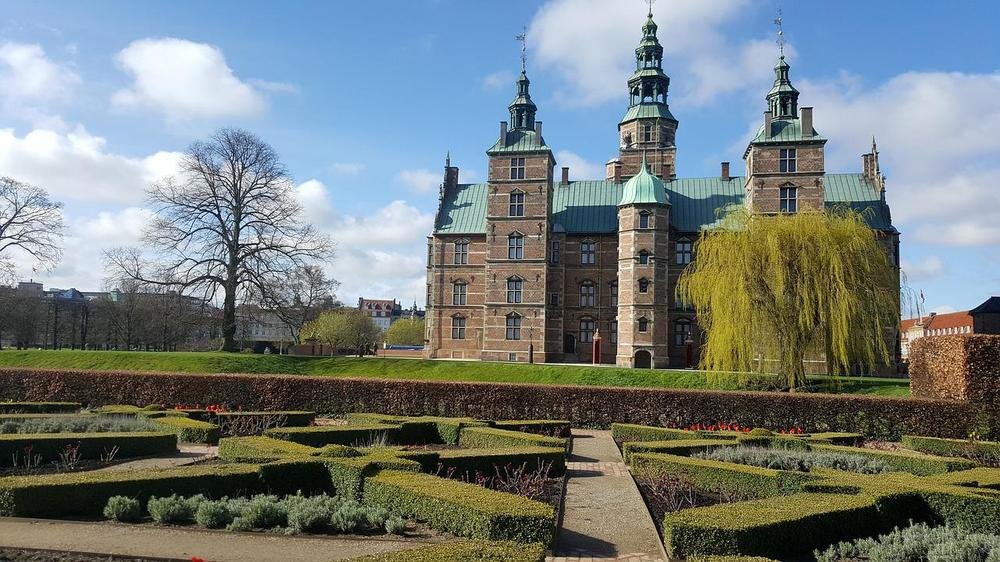
Christian IV constructed this palace around the beginning of the 1600s. He became one of the most well-known Scandinavian Kings due to his extended rule and participation in the Thirty Years’ War that engulfed mainland Europe. The opulent palace’s interiors, which include historical tapestries depicting the fights between Sweden and Denmark, have rarely changed over the years. You may also visit the king’s chambers, view his bathroom, and see the desk where he composed letters. Make sure to peruse the exquisite collections of Flora Danica dinnerware and 17th-century Venetian glass in the tower chambers. Four-hour city walking tour with a stop at Rosenborg Castle is included.
The David Collection
_(36272917421).jpg)
_(36272917421).jpg)
Here you can check out the personal art collection of the Danish businessman C.L. David, who donated both the building, his former home and these art pieces, which include the largest ensemble of Islamic art in Scandinavia. Additionally, there are displays of European art from the 18th century as well as Danish modern art and paintings from the Danish Golden Age of the 19th century. The Islamic area is the main draw, featuring beautiful objects that date from the 800s to the 1800s and were collected from Spain to India. Although calligraphy is prominent, there are also lovely glass and ceramic objects in this shop. The attraction offers free admission.
Bakken Amusement Park
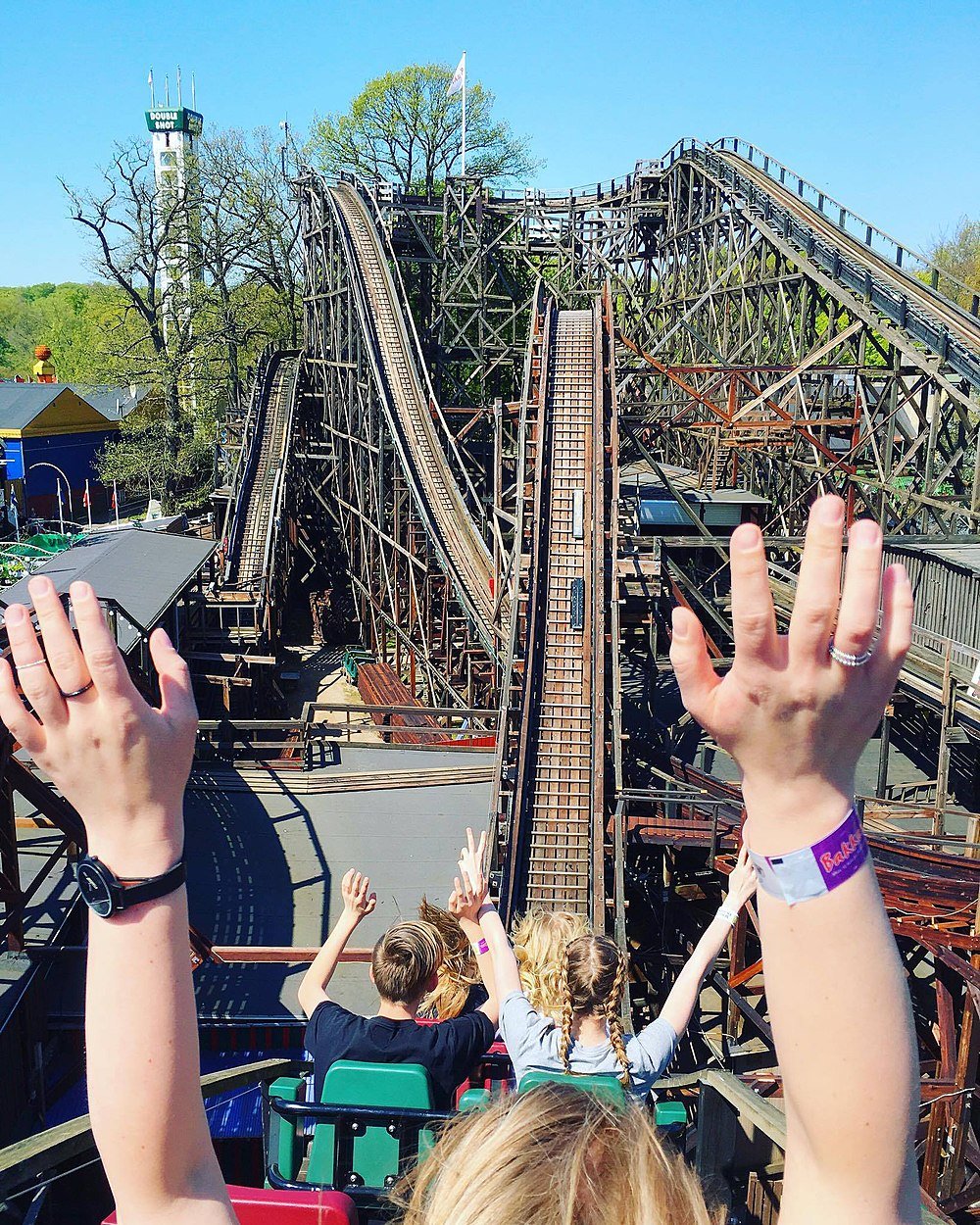

Bakken is an entertainment park that has been here since 1583 and offers a rustic substitute for Tivoli Gardens. This makes it the world’s longest continuously operational amusement park, as you would have guessed. Bakken sits hidden in beech woodland a few kilometres up from Copenhagen and after Tivoli Gardens it’s the most popular tourist attraction in Denmark. Bakken’s attractions have a nostalgic, vintage feel to them, including Rutschebanen with its rickety wooden scaffold from 1932 or the cabaret-hosting Hvile music hall. The park is free to enter, but you must purchase a ticket for each ride.
Church of our Saviour
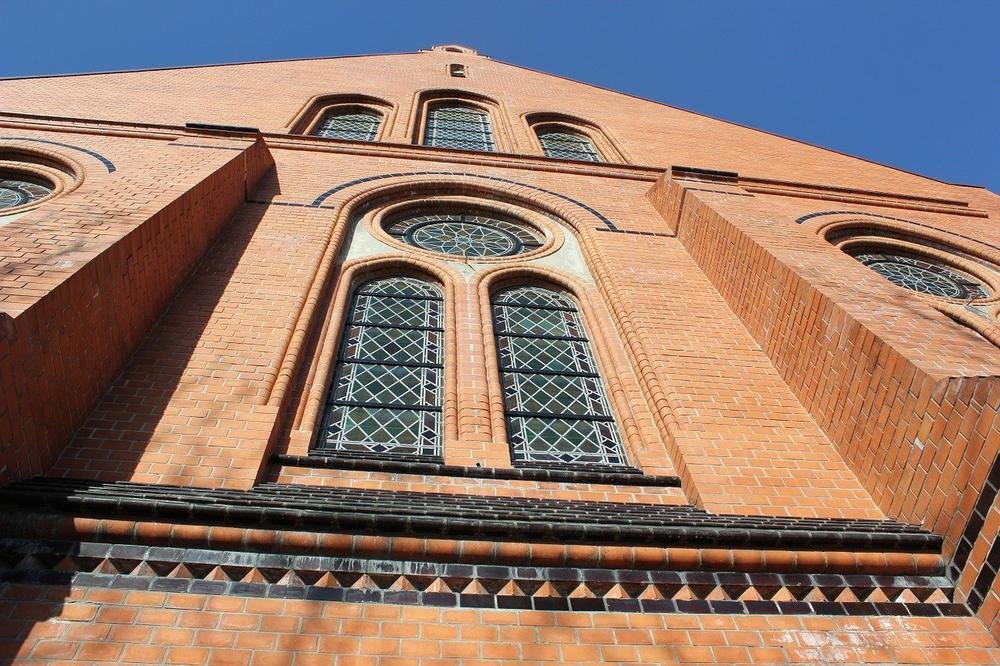
According to Copenhageners, this church has the nicest view in the city. You can see the odd spire from a distance; it is part of a mid-eighteenth-century baroque structure. There is a gloomy tower that is encircled by a gold ribbon that spirals upward. This is the stairway handrail, and the 400 steps up to the viewing platform are absolutely not for vertigo sufferers! Yes, the last 150 steps are outside the structure, but if you persevere, you’ll be rewarded with stunning views of Copenhagen. Even the ships entering the harbour may be seen from here.
Going out
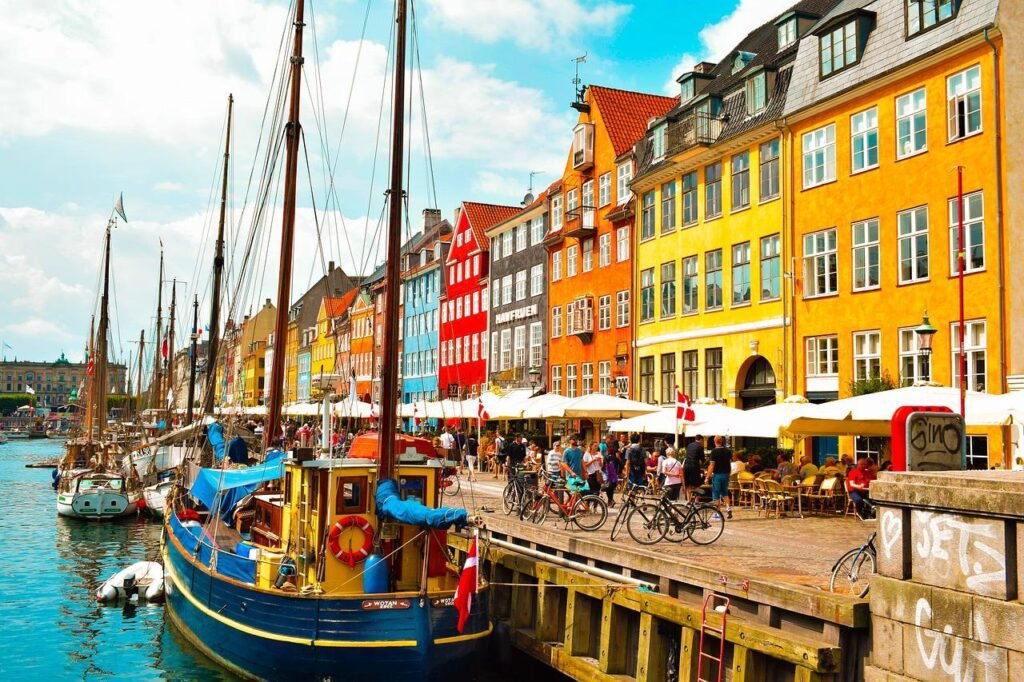
On one of the many side streets that converge at Stroget, one might find a great place to start a night out in Copenhagen. Prices are a little less expensive and you may drink with locals here than at the charming but crowded Nyhavn. This might serve as your jumping-off point on the weekends for a fun night out in a city where clubs are hip and unpretentious and live music is the norm. Younger visitors can party all night at clubs in Nørrebro that stay open ’til five in the morning and represent all sorts of scenes. Older guests can go to jazz clubs or traditional beer joints (Bodegas), or they can visit the Royal Danish Theater for some high culture. The nightlife can also be experienced on a guided tour called the Copenhagen Bar Crawl (Carlsberg, Pubs, Nightclubs, & More).
Danish cuisine
.jpg)
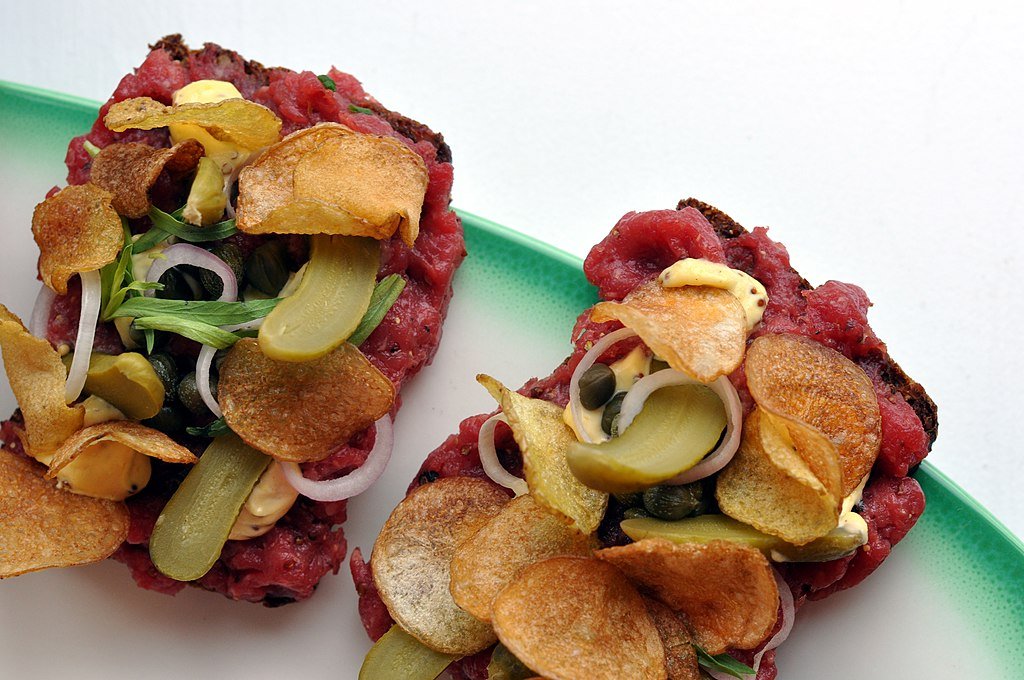
The majority of people associate Danish food with smorrebrod, which is Danish for “butter and bread.” The actual meal may include anything from cheese, cold cuts, eggs, fish, and shellfish, with seasoning and garnishes on top. The experience is comparable to Spanish pinchos for non-natives. Copenhagen is also the birthplace of the new Nordic cuisine, where geniuses emphasize the quality of local ingredients while doing miracles with molecular techniques. Of course, Noma on Strandgade is at the top, having received two Michelin stars and ecstatic international acclaim for more than ten years. A tour of Nordic food is also offered.

